
1-800-TruckWreck is always improving, and always moving forward, so we have the cutting-edge knowledge you need for your self-driving car or truck wreck injury case. We’ll help you get the compensation you deserve when technology goes wrong.
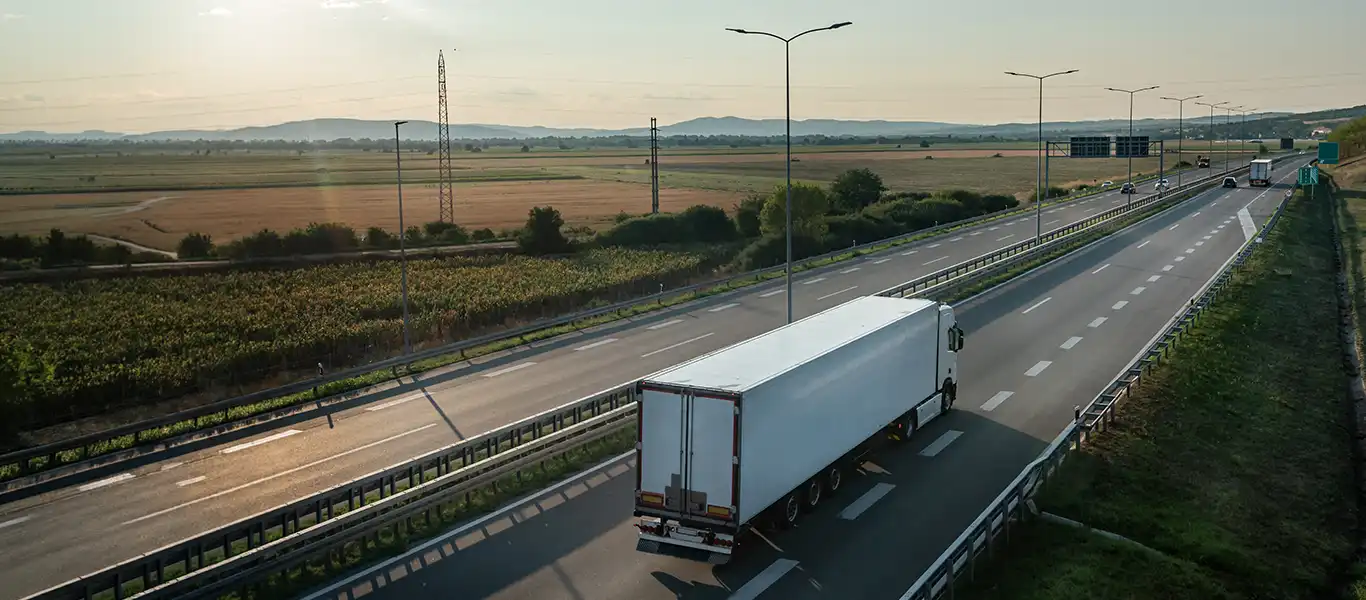
Self-driving trucks are a growing concern.
"The lack of established performance measures and testing standards for automated vehicles raises concerns about the safety of driverless tractor-trailers on the road" - Amy Witherite
The National Highway Traffic Safety Administration (NHTSA) has not created clear performance and testing guidelines for self-driving trucks, which means the public is left facing inconsistent testing standards set by manufacturers. This lack of comprehensive oversight contrasts sharply with the stringent safety measures seen in aviation and railroads.
"The ongoing issues and fatalities related to Tesla's Autopilot system serve as a wake-up call for the potential dangers of driverless technology." - Amy Witherite
We don’t just call these “accidents” because there’s always a reason it happened.
In a self-driving truck wreck, something failed. It could be the technology, the company behind it, the way the system was used, or a combination of factors. Our job is to find the root cause and hold the right parties accountable. This could include:
Vehicle Manufacturers:
Manufacturers of self-driving trucks may be held liable if defects or failures in their technology contributed to the wreck. This includes issues with the vehicle's software, sensors, or hardware components.
Example: If a self-driving truck's collision detection system fails due to a software bug, and this malfunction leads to a wreck, the manufacturer may be liable for producing defective technology.
Self-Driving Vehicle Software Developers:
Companies responsible for developing the software that controls the self-driving truck can be held accountable if their programming errors or design flaws lead to a wreck.
Example: If the vehicle's navigation system incorrectly directs the vehicle into oncoming traffic due to a software glitch, the software developer could be found liable for the resulting collision.
Vehicle Owners:
The owner of a self-driving truck may be held liable if they have failed to maintain the vehicle properly or have ignored manufacturer-recommended updates and maintenance.
Third-Party Service Providers:
Companies that provide third-party services, such as mapping or data services, can be liable if their services contribute to the vehicle’s malfunction or wreck.
Vehicle Maintenance and Repair Shops:
Shops that perform maintenance or repairs on self-driving trucks could be liable if negligent repairs or improper maintenance contribute to the wreck.
Other Drivers:
In some cases, the actions of other drivers on the road can contribute to or cause an wreck involving a self-driving truck. This includes instances of reckless or negligent driving.
Government Entities:
Government entities responsible for road maintenance or traffic management may be held liable if poor road conditions or inadequate traffic signals contribute to the wreck.
At 1-800-TruckWreck, we leverage the latest technology to build stronger cases to make sure you get the best possible outcome. Our investment in advanced tools gives us a significant edge, especially in complex cases like self-driving truck and truck wrecks. Here’s how we use technology to your advantage:
Drone Technology for Scene Investigation:
We deploy drones to capture high-definition aerial footage of wreck scenes, providing a comprehensive view that traditional photography can’t match. This helps us recreate the conditions of the wreck and gather critical evidence from all angles, whether it’s an intersection wreck or a truck wreck on the highway.
Dashcam and Black Box Analysis:
Many commercial trucks and vehicles are equipped with dashcams and black boxes that record crucial data, such as speed, braking patterns, and even driver behavior leading up to the wreck. Our team is skilled at retrieving and analyzing this data to pinpoint exactly what went wrong—and who’s responsible.
CRASH Audio and Video Forensics:
Our in-house CRASH MEDIA PRODUCTION team includes audio and video experts who meticulously review body cam footage, dashcams, and other recordings to uncover critical details. Whether it’s a small but significant sound or a conversation captured in the background, our forensic analysis can reveal evidence that others might miss.
Rapid Response Team (RRT):
Our Rapid Response Team uses cutting-edge technology to gather real-time data immediately after a wreck. From cell phone tracking to drone deployment, we can be on-site quickly to secure valuable evidence before it’s lost, ensuring no detail is overlooked in your case.
Advanced Legal Research Tools:
We use state-of-the-art legal research tools to stay ahead of the curve on evolving laws and regulations, particularly in emerging areas like self-driving truck technology. This allows us to craft innovative legal strategies tailored to your specific case.
Technology and automotive companies should be held liable when they cause harm. Contact our truck wreck attorneys today to get your self-driving car or truck wreck case started. Reach out now to get expertise on your side.

In most cases, the statute of limitations is two years from the date of the wreck. This applies in Texas, Georgia, Illinois, and Pennsylvania, including cities like Dallas, Fort Worth, Houston, Atlanta, Chicago and Philadelphia.
However, self-driving truck cases require advanced investigation and often involve multiple companies. The sooner you contact us, the faster we can preserve key evidence and hold the responsible parties accountable.
If you were injured in a self-driving truck wreck, you may be entitled to recover compensation for:
1-800-TruckWreck builds cases that reflect the full scope of your loss, both now and in the future. You shouldn’t pay the price for someone else’s reckless rollout of new technology.
Even with driverless systems, many companies still use human “safety drivers” to monitor the vehicle. If the person in the cab failed to act when they should have, they could also be held liable.
We investigate how much control the human driver had, whether they were trained, and what their responsibilities were under company policy. No matter how advanced the truck is, there is always someone who should be accountable — and we find out who that is.
Traditional truck "accident" claims usually focus on driver error or mechanical failure. Self-driving truck cases are more complex and involve questions about software, automation systems, sensor errors, and company responsibility for programming mistakes.
That’s why you need a team that understands both the law and the technology. At 1-800-TruckWreck, we combine legal experience with cutting-edge digital tools and real-time data collection to build strong cases in this new and dangerous space.
Yes. If a vehicle defect, system failure, or design flaw caused the wreck, you may be able to sue the manufacturer of the self-driving truck. This includes hardware and software problems that directly led to your injuries.
1-800-TruckWreck works with forensic engineers and product liability experts to prove when a manufacturer failed to meet safety standards. These are high-stakes cases, and we build them with the detail and precision they demand.
We don’t wait for answers, we go get them.
At 1-800-TruckWreck, we have specialized evidence-gathering programs built for high-stakes cases like self-driving truck wrecks:
Digging for Dirt: Our legal team goes deep into the background of the trucking company and its technology partners. We investigate driver records, safety policies, maintenance logs, prior system failures, and any history of software or sensor malfunctions. If a manufacturer or company cut corners, ignored safety alerts, or failed to properly test their systems, we will find it and bring it into the case.
Rapid Response Team (RRT): Our RRT is trained to be on-site fast. We use drone footage, pull black box data, secure dashcam recordings, and collect physical and digital evidence before it disappears. In self-driving truck cases, timing is critical — and our team moves quickly to preserve what others might overlook or erase.
Together, these programs give us a major edge when going up against tech companies, manufacturers, and commercial fleets. When they try to hide the truth, we show up with the facts.
The truth is, self-driving truck safety is still unproven. Without standardized testing or national performance guidelines from the NHTSA, these vehicles are being tested on public roads with inconsistent oversight. Unlike aviation or rail, there is no federal framework to ensure the safe deployment of this technology.
At 1-800-TruckWreck, we believe the public should not be used as test subjects for unregulated technology. When a wreck happens, we investigate not just who was behind the wheel — but what was behind the programming.

.avif)

.avif)