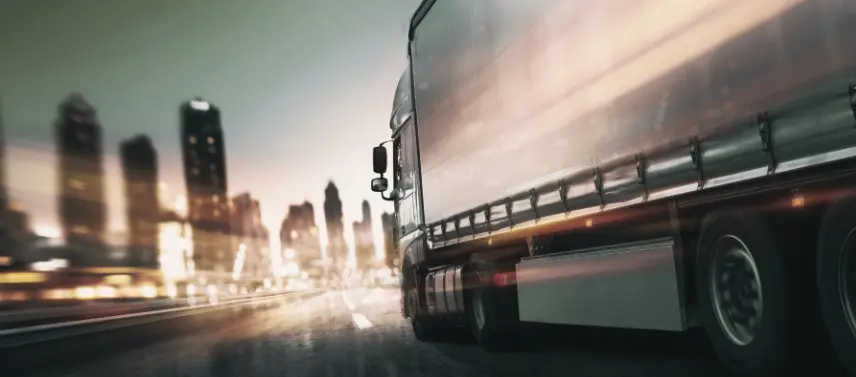
Autonomous freight vehicles are already operating on major freight corridors in states like Texas, and companies developing this technology say it will make shipping faster and more efficient. But when these systems fail, the consequences can be devastating.
Truck wreck attorney and safety advocate Amy Witherite has long warned that new technology should never come at the expense of public safety.
“When companies put unsafe trucks on the road, innocent people pay the price.”
As autonomous trucks expand onto public highways, crashes involving these vehicles are raising serious questions about liability, safety oversight, and corporate responsibility.
Unlike a traditional truck accident, a self-driving truck accident may involve multiple companies, complex software systems, and large amounts of electronic data. Determining what went wrong requires attorneys who understand both trucking regulations and emerging autonomous vehicle technology.
If you’ve been injured in a self-driving truck accident, working with an experienced truck accident lawyer can make a critical difference.
Crashes involving autonomous trucks introduce challenges that do not exist in many traditional truck wreck cases.
In a typical commercial truck accident, investigators focus on the actions of the driver, the condition of the truck, and the policies of the trucking company. Autonomous vehicles add another layer of complexity because the truck’s decisions may be influenced by software, sensors, and artificial intelligence systems.
Autonomous trucks rely on cameras, radar, lidar sensors, and advanced software to detect vehicles, monitor road conditions, and make driving decisions.
If those systems malfunction or misinterpret what they see, the truck may fail to brake, change lanes improperly, or respond too slowly to prevent a crash. Investigating a self-driving vehicle accident often requires analyzing electronic data recorded by the truck’s onboard systems.
Autonomous trucking technology is rarely built by a single company. Responsibility for a crash may involve several parties. Potentially liable parties may include:
Determining who is responsible in these cases often requires an experienced commercial truck accident attorney or semitruck accident lawyer who understands how these systems work.
Autonomous trucking companies are beginning to deploy driverless freight trucks on public highways, particularly in states like Texas. As these vehicles expand onto major shipping routes, safety advocates and regulators have raised several concerns:
Limited real-world testing data compared to the billions of miles driven by traditional commercial trucks
Because these trucks rely heavily on software and automated systems, investigating a self-driving truck accident may require analyzing technical data and company records to determine what went wrong.
Building a strong case after a self-driving truck accident requires careful investigation. Attorneys may examine evidence such as:
This information can reveal whether the technology malfunctioned, whether a company ignored safety warnings, or whether the vehicle was placed on public roads before it was ready.
Investigations like these often require the knowledge of experienced truck crash lawyers and truck accident attorneys who understand both the trucking industry and the emerging legal issues surrounding autonomous vehicles.
Related reading: Understanding Liability in Self-Driving Vehicle Crashes in Texas; Injured by a Self-Driving Vehicle? Know Your Rights and How to Protect Them
These companies think autonomous trucks represent the future of freight transportation, but when these vehicles cause a crash, victims deserve answers and accountability.
The team at 1-800-TruckWreck focuses on serious truck wreck cases, including crashes involving emerging autonomous trucking technology. The attorneys understand both the trucking industry and the evolving technology behind self-driving commercial vehicles.
If you or someone you love has been injured in a self-driving truck accident, call 1-800-TruckWreck for a free consultation available 24/7.
There are no fees unless we win, and the team is ready to fight for the compensation you deserve after a devastating crash.