Who is responsible when a computer-controlled truck fails to stop? What happens if a sensor misses a vehicle or the software makes the wrong decision?
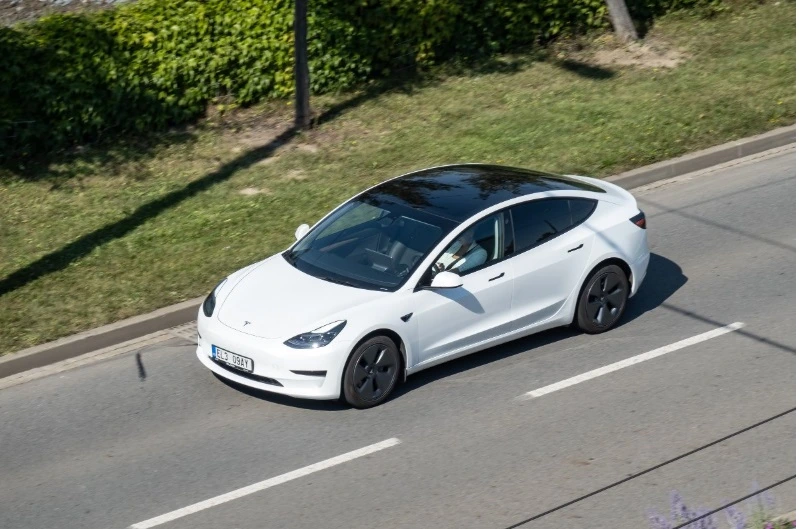
If you were injured in a self-driving truck accident in Dallas, Fort Worth, Atlanta, or Chicago, you may have the right to file a lawsuit against the companies behind that technology. Companies like Tesla, Waymo, and Cruise are pushing autonomous systems onto public roads. When those systems fail and people get hurt, accountability matters.
At 1-800-TruckWreck, the mission is simple. People First. Unmatched Expertise. Integrity Always.
When powerful corporations and emerging technology collide with public safety, victims deserve a legal team prepared to fight back.
Unlike traditional truck accidents, autonomous vehicle crashes often involve multiple companies working together to deploy the technology.
Several parties may share responsibility for a self-driving vehicle accident, including:
Determining liability in autonomous vehicle accidents requires a deep investigation into how the vehicle was operating in the moments before the crash.
Autonomous trucks rely on advanced systems to make driving decisions. Cameras, radar, sensors, and artificial intelligence constantly monitor the road and collect data about the vehicle’s surroundings.
When a crash happens, those systems generate valuable evidence. That evidence may reveal:
Technology companies often rely on this data to defend their systems. At 1-800-TruckWreck, that same technology can be used to expose failures.
The CRASH Productions team analyzes crash evidence using advanced reconstruction technology. They examine vehicle damage, roadway evidence, and electronic data from the truck to determine exactly how the collision occurred.
In self-driving truck accidents, that analysis may include evaluating how sensors responded, how the software processed information, and whether the automated driving system failed in the seconds before impact.
Their work helps transform complex technical evidence into clear visual reconstructions that show exactly what happened.
This approach levels the playing field.
Technology companies rely on advanced systems to defend their vehicles. CRASH Productions uses technology to fight back against the tech companies and uncover the truth behind the crash.
Companies developing autonomous vehicles are backed by enormous resources. Their legal teams are prepared to defend their technology and minimize liability when crashes occur.
Victims deserve a legal team just as prepared.
The attorneys behind 1-800-TruckWreck have spent more than two decades standing up to large trucking companies and corporate defendants. With offices in Dallas, Fort Worth, Atlanta, Chicago, and Houston, the team has recovered over $1 billion for injured clients and built a reputation for aggressive investigation and relentless advocacy.
Every case is built around one principle. People First.
That means combining legal experience with advanced technology, detailed crash analysis, and a support team that helps clients navigate the medical challenges that follow a serious accident.
Related reading: Injured by a Self-Driving Vehicle? Know Your Rights and How to Protect Them
If you or someone you love has been injured in a self-driving vehicle accident involving Tesla, Waymo, Cruise, or another autonomous system, do not assume the companies behind that technology will take responsibility.
They have powerful legal teams protecting them from the start.
At 1-800-TruckWreck, the focus is on protecting you. The attorneys, investigators, CRASH Productions specialists, and in-house medical professionals work together to uncover the truth and fight for the compensation you deserve.
Call 1-800-TruckWreck today for a free consultation, available 24/7. There are no fees unless we win, and the team will do everything possible to help you recover and move forward after a life-changing crash.
Because when technology fails and people get hurt, we’re there to hold them accountable.