
Injured in a delivery truck wreck? 1-800-TruckWreck investigates the crash, identifies responsible parties, and fights for the compensation you deserve. Free consultation.
Delivery trucks are everywhere, and when one of those trucks hits you, the impact can be serious, and the company behind it is already working to protect itself.
You need a team ready to step in, investigate what really happened, and hold the right people accountable.
Delivery trucks operate on tight schedules and constant pressure. When something goes wrong, it is not just a simple wreck. You are left dealing with injuries, medical bills, and a system designed to move fast and limit responsibility.
At 1-800-TruckWreck, we step in early, take control of the case, and focus on uncovering what caused the crash and who is responsible.
These incidents are often the result of systems built for speed over safety. Drivers are pushed to meet delivery quotas, routes are overloaded, and oversight can fall short. It might be:
Delivery truck cases are not just about a driver. They are about the system behind the driver.
We go beyond the individual driver and examine the entire operation behind them. That includes delivery companies, contractors, scheduling systems, and internal policies that may have contributed to the crash. We look at:
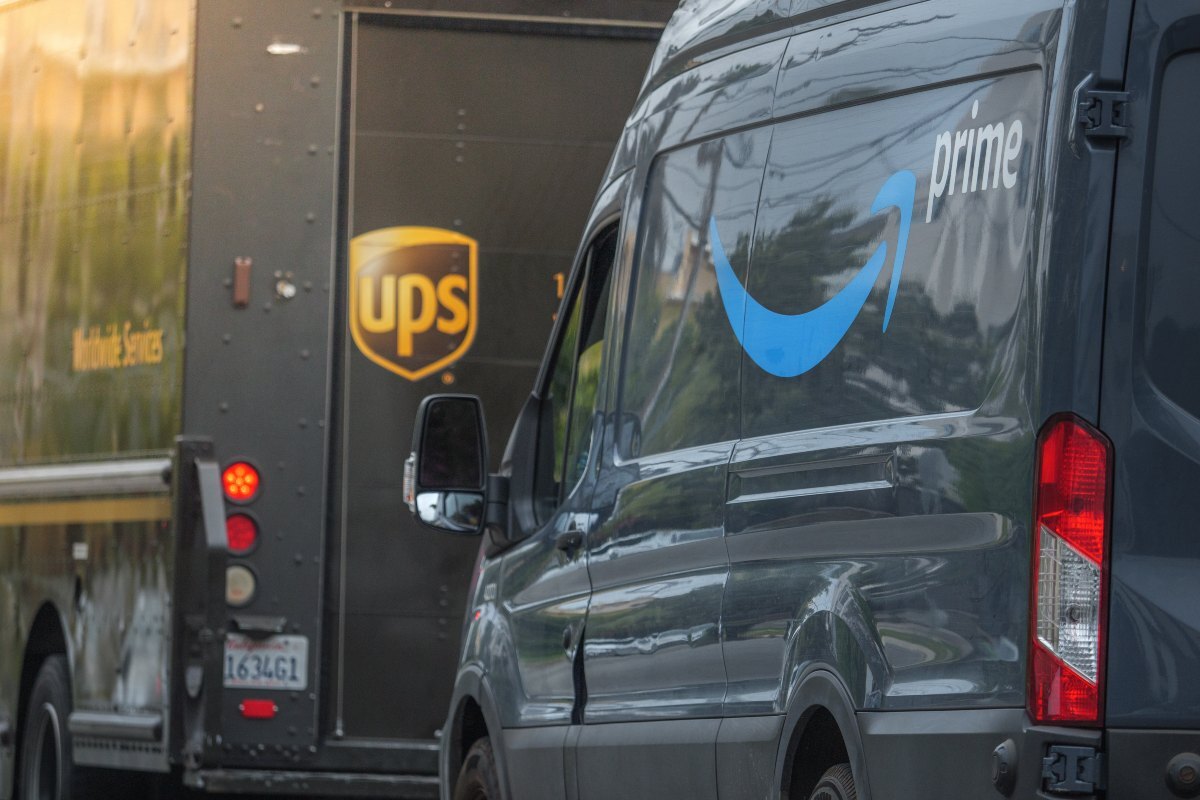
Delivery truck cases involve a wide range of vehicles. We handle cases involving:
These vehicles operate in high-traffic areas, neighborhoods, and tight spaces, often making quick stops and sudden movements that increase the risk of a crash.
After a delivery truck wreck, your recovery is a key part of your case.
At 1-800-TruckWreck, our in-house medical team works alongside your legal team to make sure your injuries are properly treated and fully documented. We help coordinate care and track how your injuries affect your daily life over time.
Insurance companies often try to minimize injuries in these cases. Clear medical documentation helps us push back and fight for the full compensation you are owed.
Delivery companies rely on systems to move fast. When something goes wrong, those same systems are used to shift blame and limit responsibility.
You are not expected to take that on yourself.
Your focus should be on getting medical care and recovering. Our focus is on investigating what happened, holding the right parties accountable, and building a case that stands up to the companies involved.
After a delivery truck wreck, you need answers, not delays. The longer you wait, the harder it can be to secure the evidence needed to prove what happened.
At 1-800-TruckWreck, we move quickly to investigate your case, uncover the truth, and fight for the full compensation you are owed.
Call now for a free consultation with a delivery truck accident attorney serving Dallas, Fort Worth, Atlanta, and Chicago, and let us take a real look at your case.

We step in where things are unclear and start building structure around the case.
Delivery truck accidents often leave people with more questions than answers. Our role is to sort through the movement, the conditions, and the decisions that led to the crash, then build a case that reflects the full situation.
Whether it happened in Chicago, Atlanta, Dallas, or Fort Worth, we focus on getting clarity where there was none.
That situation requires a closer look at visibility and awareness.
Backing accidents often come down to whether the driver had a clear view and whether proper precautions were taken. In tight areas like apartment complexes or city streets, those conditions are not always met.
These cases are rarely as simple as they first appear.
Sometimes, yes.
Because many delivery truck crashes happen at lower speeds, insurers may try to downplay the severity. But sudden stops, awkward angles, and unexpected impacts can still lead to real injuries, especially neck, back, and soft tissue issues.
Our in-house medical team helps document those injuries clearly so they are not dismissed.
We look at the environment the driver was working in. Our team focuses on how the delivery was being made, where the vehicle was positioned, and what pressures were in play. Through our Digging for Dirt program, we also look at company expectations and patterns tied to delivery performance.
This helps explain not just what happened, but why it happened that way.
Context matters more than a single snapshot. In these cases, we look at movement leading up to the crash. That can include nearby camera footage, dashcam recordings, and any data tied to the driver’s route or delivery schedule.
The goal is to understand what the driver was doing just before the crash, not just the moment of impact.
Because the job requires it, but that does not make it safe. Delivery drivers are expected to complete routes quickly, which often leads to stopping wherever the delivery point is, even if it means blocking a lane or parking in a tight spot.
In busy areas like Dallas or Fort Worth, that can create unexpected hazards for other drivers who are not prepared for a vehicle to stop there.
They can shape how drivers behave on the road. Drivers often follow app-based routes that prioritize speed and efficiency. That can lead to sudden stops, last-second turns, or driving patterns that do not match normal traffic flow.
When a crash happens, those systems can become part of the case, especially if they contributed to rushed or unpredictable movement.
It depends, and that distinction matters.
Many delivery drivers work under contractor agreements, even when they are driving branded vehicles or following company routes. That can affect how responsibility is handled and which insurance policies apply.
In a delivery truck accident, one of the first things we look at is how the driver is classified and who controls their work.
They are rarely clean, single-impact crashes. A delivery truck may stop suddenly, pull out from the curb, reverse, or block part of the road. Other drivers react in real time, and what follows can involve multiple small movements rather than one clear event.
That makes it harder to answer basic questions like who had the right of way or whether the driver created a hazard before the impact.
Because that is where the job actually happens.
Delivery drivers spend most of their time turning into driveways, stopping at curbs, backing up, and navigating tight residential streets. In cities like Chicago or Atlanta, that often means double-parked vehicles, narrow lanes, and constant movement around pedestrians and parked cars. It is not high speed that creates the risk. It is constant motion in tight spaces.

.avif)

.avif)