
Injured in a commercial vehicle wreck? 1-800-TruckWreck investigates the crash, identifies responsible parties, and fights for the compensation you deserve. Free consultation.
“Commercial vehicle” is a broad term, but it has to be. It covers a wide range of vehicles, all operating on the same roads as everyday drivers, often with very different risks.
When one of these vehicles causes a wreck, you need a team that knows how to sort through the complexity and hold the right parties accountable.
“Commercial vehicle” is such a wide term and can mean so many different things out on the road.
They are all different, but they have one thing in common. They are operating for business, not just personal use. And when something goes wrong, that usually means there is a company, a system, or a set of decisions behind it.
That is where these cases start. At 1-800-TruckWreck, we step in early, take control of the case, and focus on uncovering what caused the wreck and who is responsible.
When you look closer, most of these crashes come down to something specific, and are hardly an “accident” at all. It might have been caused by:
Our job is to identify what went wrong and make sure the right people are held accountable.
Commercial vehicle cases are rarely simple. You are not just dealing with one driver. You are often dealing with a company, and sometimes multiple companies, all connected to that vehicle. That can include:
Each one may have played a role. Each one may try to shift responsibility. We build cases that account for all of it.
After a commercial vehicle wreck, the scene begins to change quickly.
Vehicles are moved. Deliveries continue. Drivers leave to complete routes. Evidence can disappear faster than people expect. At the same time, companies may already be taking steps to protect themselves.
Our Rapid Response Team (RRT) works quickly to document the scene, secure available data, and preserve key details before they are lost.
One of the hardest parts of these cases is simply understanding who is responsible.
Different companies may be involved. Each one may try to pass blame. And the answers are not always obvious at first.
You are not expected to sort that out on your own.
Your focus should be on your recovery. Our focus is on identifying what went wrong and building a case that holds the right parties accountable.
When the vehicle involved could be anything from a delivery van to a service truck, the details matter.
At 1-800-TruckWreck, we look beyond the label and focus on the facts. We investigate the vehicle, the company behind it, and the decisions that led to the wreck.
Call today to speak with a commercial vehicle accident attorney serving Dallas, Fort Worth, Atlanta, and Chicago and get clear answers about your case.

We bring structure to a situation that usually feels unclear. Commercial vehicle cases can start with a lot of unknowns. What kind of vehicle was it? Who was responsible? What coverage applies?
Our role is to answer those questions, investigate the details, and build a case that reflects what actually happened.
Those cases often involve multiple layers. You may be dealing with the driver’s personal insurance, the company’s coverage, and questions about whether the driver was actively working at the time. In places like Dallas or Chicago, where rideshare and delivery services are common, these situations come up frequently. Understanding how those layers fit together is key.
They help make sure your injuries are fully understood.
Commercial vehicle crashes can vary widely in severity, and some injuries may not seem serious at first. Our in-house medical team tracks your care, documents your condition, and helps connect your injuries to the crash in a clear and consistent way. That becomes important when insurers try to minimize what happened.
It can be a major factor.
Commercial drivers are often working under time constraints, whether that is completing deliveries, responding to service calls, or managing multiple stops. That pressure can affect decision-making, speed, and attention. In some cases, the way the job is structured contributes directly to the risk.
In many cases, yes. Drivers who are working are expected to operate with a higher level of awareness and responsibility. They are often representing a company, following a schedule, or operating in environments that require more attention than typical driving. When that standard is not met, it becomes part of the case.
We focus on what the vehicle was doing, not just what it was.
Our team looks at the role the vehicle played at the time of the crash. Through our Digging for Dirt program, we examine company practices, expectations, and any patterns that may have contributed.
Our Rapid Response Team and CRASH team then work to document and analyze the details that show how the crash actually happened.
It is a wide range, and that is what makes these cases unique. Examples include:
Each type brings different risks and different expectations.
Yes, it can change the entire case.
If the driver was on the job, there may be additional insurance coverage and potential responsibility beyond the individual driver. In cities like Chicago or Atlanta, where rideshare and service vehicles are everywhere, that distinction comes up often.
One of the first questions we look at is whether the driver was acting within the scope of their work.
Because the label does not tell you much on its own.
“Commercial vehicle” can mean a lot of different things, and each situation comes with its own rules, responsibilities, and insurance coverage. A food truck, a contractor’s truck, and a rideshare vehicle all operate differently, even though they fall under the same general category.
The case only starts to make sense once you understand what that vehicle was doing at the time.
A commercial vehicle is any vehicle being used for business purposes at the time of the crash.
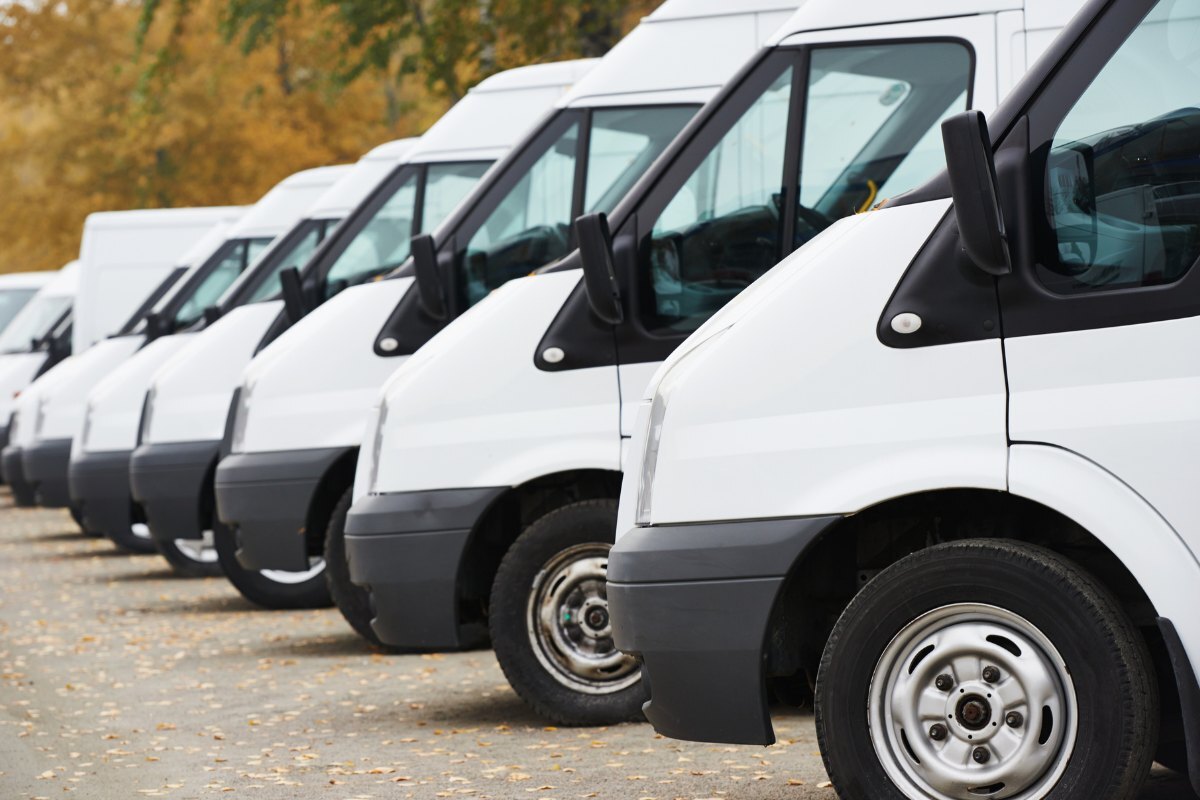
That can range from delivery vans and work trucks to rideshare vehicles, service vehicles, and even cars being used for business tasks. The term is broad because the risk is broad. If the driver is working when the crash happens, it may fall into this category.

.avif)

.avif)