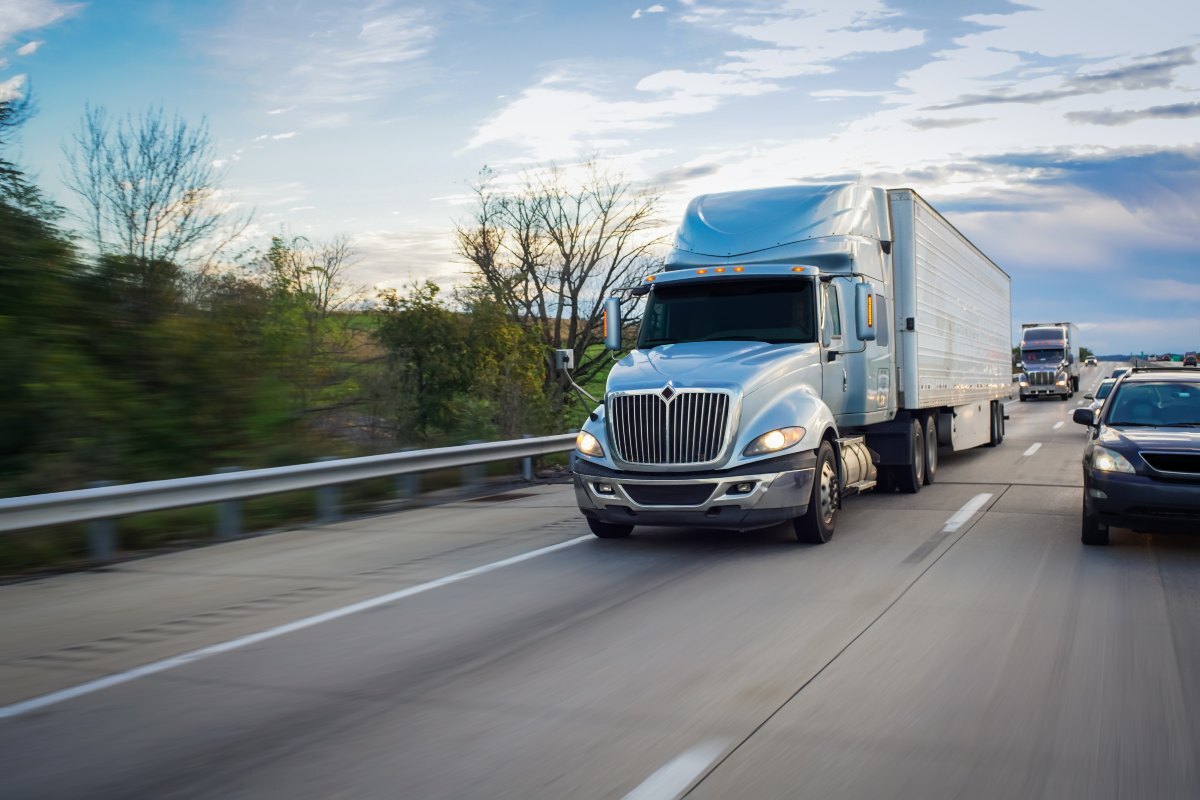

Injured in a big rig wreck? 1-800-TruckWreck helps investigate your crash, handle insurers, and pursue the compensation you deserve. Free consultation.
When a big rig wreck leaves you dealing with injuries, bills, and uncertainty, you need more than answers, you need a team that knows how to take control and fight back.
Medical bills start coming in. You may be out of work. Insurance companies begin calling. And behind the scenes, the trucking company is already working to protect itself.
At 1-800-TruckWreck, we step in early, take control of the situation, and start asking the questions that matter: what went wrong, who allowed it to happen, and how do we prove it.
There is always a reason a big rig “accident” happens. It could be a driver pushed beyond legal limits, a company ignoring maintenance, or a decision made to prioritize delivery schedules over safety. These are not random events. They are preventable failures.
When you call it an “accident,” it sounds unavoidable. Inevitable. And that’s what the insurance companies want you to believe. When we investigate it, we find the cause.
At 1-800-TruckWreck, our in-house medical team works alongside your legal team to make sure nothing is missed. We help coordinate care, ensure your injuries are properly documented, and track how those injuries affect your daily life over time.
Insurance companies often try to minimize injuries or ignore long-term effects. When your treatment is clearly documented from the start, it strengthens your case and helps us fight for the full compensation you are owed.
You should not have to navigate the medical side of a serious injury alone. We make sure you have support every step of the way.
Big rig wrecks often lead to serious, life-changing injuries because of the force involved. These are not minor crashes, and the impact can last long after the scene is cleared. Some of the most common injuries include:
Traumatic brain injuries (TBIs), including concussions and long-term cognitive damage
Spinal cord injuries that can lead to partial or full paralysis
These injuries often require ongoing care, rehabilitation, and sometimes permanent lifestyle changes. Your case should reflect not just what happened, but what it will continue to cost you moving forward.
After a serious crash, you are not expected to gather evidence, deal with adjusters, or figure out how to take on a trucking company. Your focus should be on getting medical care, following through with treatment, and taking the time you need to recover.
Our focus is everything else.
At 1-800-TruckWreck, we handle the investigation, deal with the insurance companies, and build a case that reflects the full impact of what you’ve been through. From the moment you call, we step in and take that pressure off you.
After a big rig wreck, uncertainty is one of the hardest parts. You may not know what your case is worth, how long it will take, or what steps you should be taking right now.
What you need is clarity.
At 1-800-TruckWreck, we take the time to understand what happened, explain your options, and build a case designed to hold up against the trucking company and their insurers.
Call today for a free consultation with a big rig accident attorney and let’s take a real look at your case.

We step in early and take control of the process.
From investigating the crash to handling communication with insurance companies, our team focuses on building a case that reflects what actually happened. Whether the wreck occurred in Dallas, Atlanta, or Chicago, we approach it the same way—by focusing on the details that matter and making sure nothing is overlooked.
Yes. Big rig operations often involve multiple layers, including the driver, the company, and others connected to the trip. Responsibility is not always limited to one person, which is why these cases require a broader review.
They help connect the crash to what you are going through.
Our in-house medical team tracks your treatment, organizes your records, and documents how your injuries progress. In big rig accident cases, that level of detail matters because insurance companies often try to reduce or question the impact of those injuries.
Injuries are often more severe because of the force involved. When a passenger vehicle is hit by a big rig or 18-wheeler, the difference in size and weight becomes a major factor. Injuries can include head trauma, spinal injuries, fractures, and internal damage. These cases often involve longer recovery periods and more ongoing care.
Yes, and it is more common than many people realize.
Big rig drivers often spend long stretches on the road, sometimes across multiple states. Fatigue can affect reaction time, awareness, and judgment. In fast-moving traffic, even a small delay can lead to a serious crash.
We break the crash down into how it developed. Our Rapid Response Team focuses on early documentation, especially on highways where scenes change quickly. Our CRASH team analyzes video, audio, and available data to understand movement and timing. From there, we build a clear sequence that explains how the collision actually happened.
They can be. Big rig cases often involve long-haul routes, extended driving time, and different operational pressures. That changes what needs to be reviewed. Instead of focusing only on the crash, a truck accident attorney may look closely at the trip itself, including how far the driver had been traveling, how the route was planned, and what conditions they were dealing with leading up to the wreck.
Size and stopping distance. A big rig carries significantly more weight than a passenger vehicle. When something goes wrong, it cannot slow down or change direction as quickly. At highway speeds in cities like Dallas or Atlanta, that difference becomes critical.
A big rig refers to a large commercial truck, often an 18-wheeler, designed to haul heavy cargo over long distances. These vehicles are built for capacity and endurance, not quick stopping or tight maneuvering, which is why crashes involving them tend to be more serious.

.avif)

.avif)